 {{ menuLabel }}
Practice area — Indigenous real estate and economic development
Commercial, industrial and institutional real estate, led by a First Nations firm.
This is not a practice area we added. It is where we come from.
Reserve lands
In Canada these are mostly not financed like other property. The Indian Act restricts seizure, which rules out the conventional mortgage and requires structures built on designation, long-term lease or ministerial guarantee. The regime varies from one nation to the next, depending on whether it has adopted its own land code or concluded a self-government agreement.
Off reserve
Off reserve, many Indigenous organizations run into a different obstacle. Much of their revenue comes from multi-year funding agreements that lenders read poorly. The work is then as much about explaining a revenue structure as negotiating a price.
Timelines
Timelines differ. A community real estate decision goes through a council, sometimes a consultation of members, and follows federal funding cycles. A standard transaction schedule does not hold.
Five families of clients.
Band councils and nation governments
Urban Indigenous service organizations
Economic development corporations
Health, justice and education organizations
Indigenous businesses
Land, capital, development
Real estate investment strategy
What the organization should hold, in what form, and what each holding is expected to return over the period that matters to the council.
Land and asset strategy
Reserve, fee simple, designated and leasehold interests do not behave alike. What can be held, financed or transferred follows from the tenure, not from the building.
Acquisition advisory
Tenure, zoning, servitudes and building condition are established before the offer, together with the financing structure the land regime allows.
Disposition advisory
Which assets to release, in what order and on what timing, documented before anything is brought to market.
Development advisory
Use, regulation and financial structure are tested against the community approval calendar rather than a standard construction schedule.
Economic development strategy
Real estate is one instrument among several. We set out what the land and the buildings can carry, and what they cannot.
Strategic partnerships and investment analysis
Ownership structure, participation, governance and reporting, examined before a partner is brought in.
Transaction advisory and execution
We carry the file through negotiation and closing, on both the council cycle and the funding cycle.

The capital is there. The structuring is not.
The Canada Indigenous Loan Guarantee Corporation administers a federal loan guarantee programme for Indigenous equity participation in major projects. Its capacity is far larger than what has been drawn against it.
Quebec holds no equivalent provincial guarantee. Nations here build their files with fewer tools than their neighbours, at the moment when demand on their territories for critical minerals, energy and infrastructure is intensifying.
Between guarantee capacity and an asset actually held there is a chain of work. Opinion of value, ownership structure, lease, governance, council calendar and reporting. That chain is real estate work and it is ours.
-1c3d3d55.png)
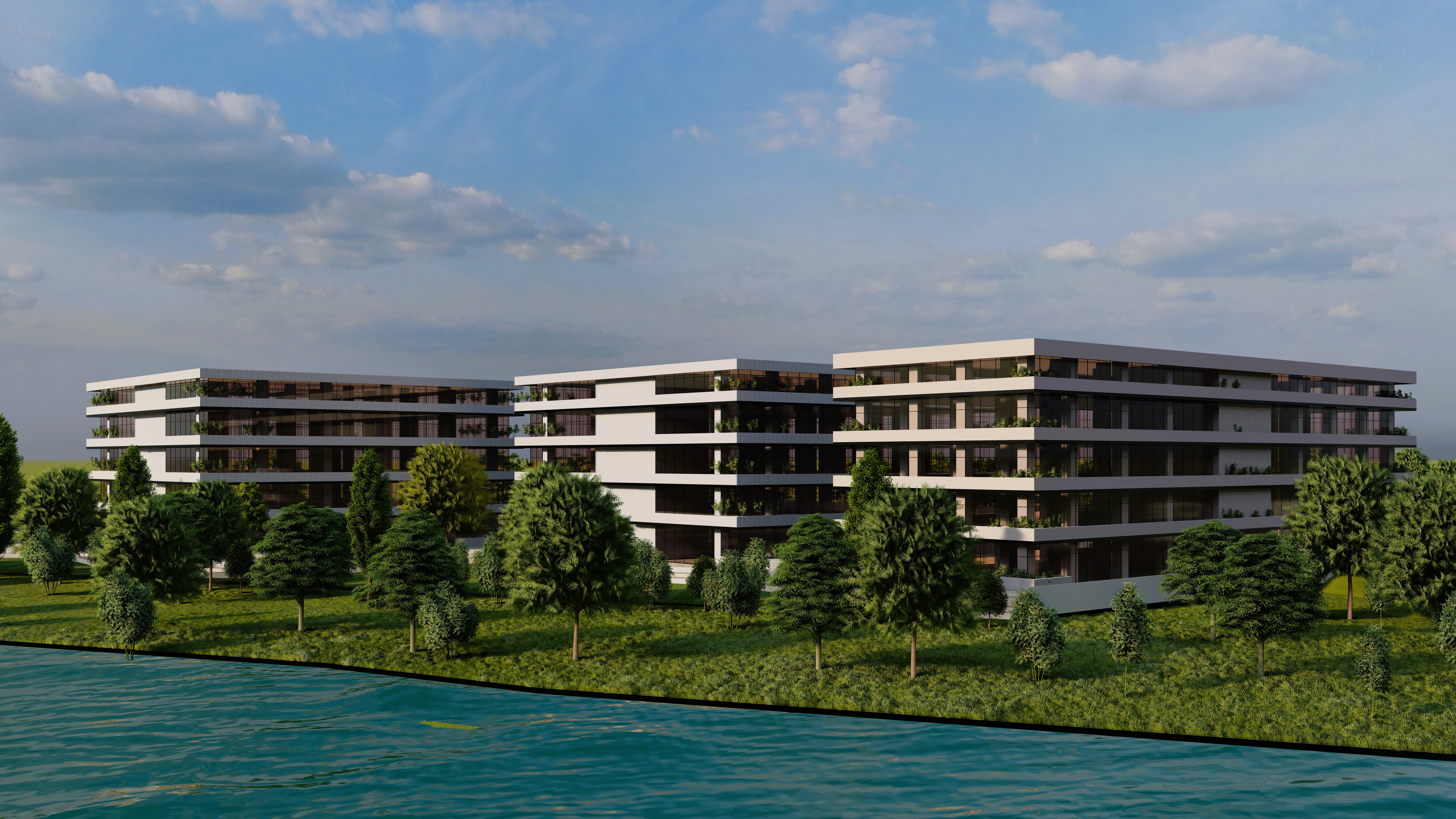
“Panorama understands our decision processes and our reality.”
Ellen Filippelli, Executive Director
First Peoples Justice Centre of Tiohtià:ke